Deloitte
Improving Delivery of Child Services Thourgh UX Leadership
00
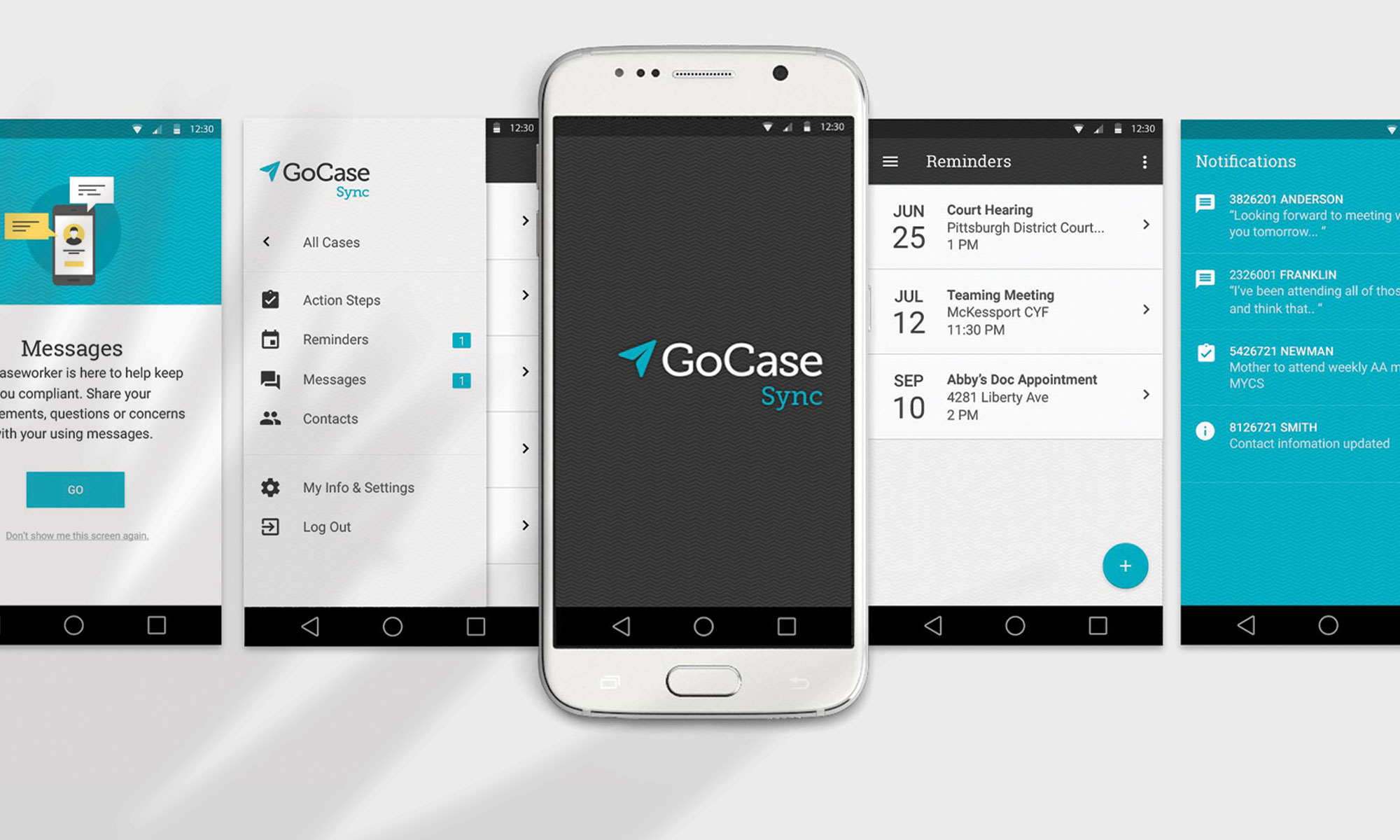
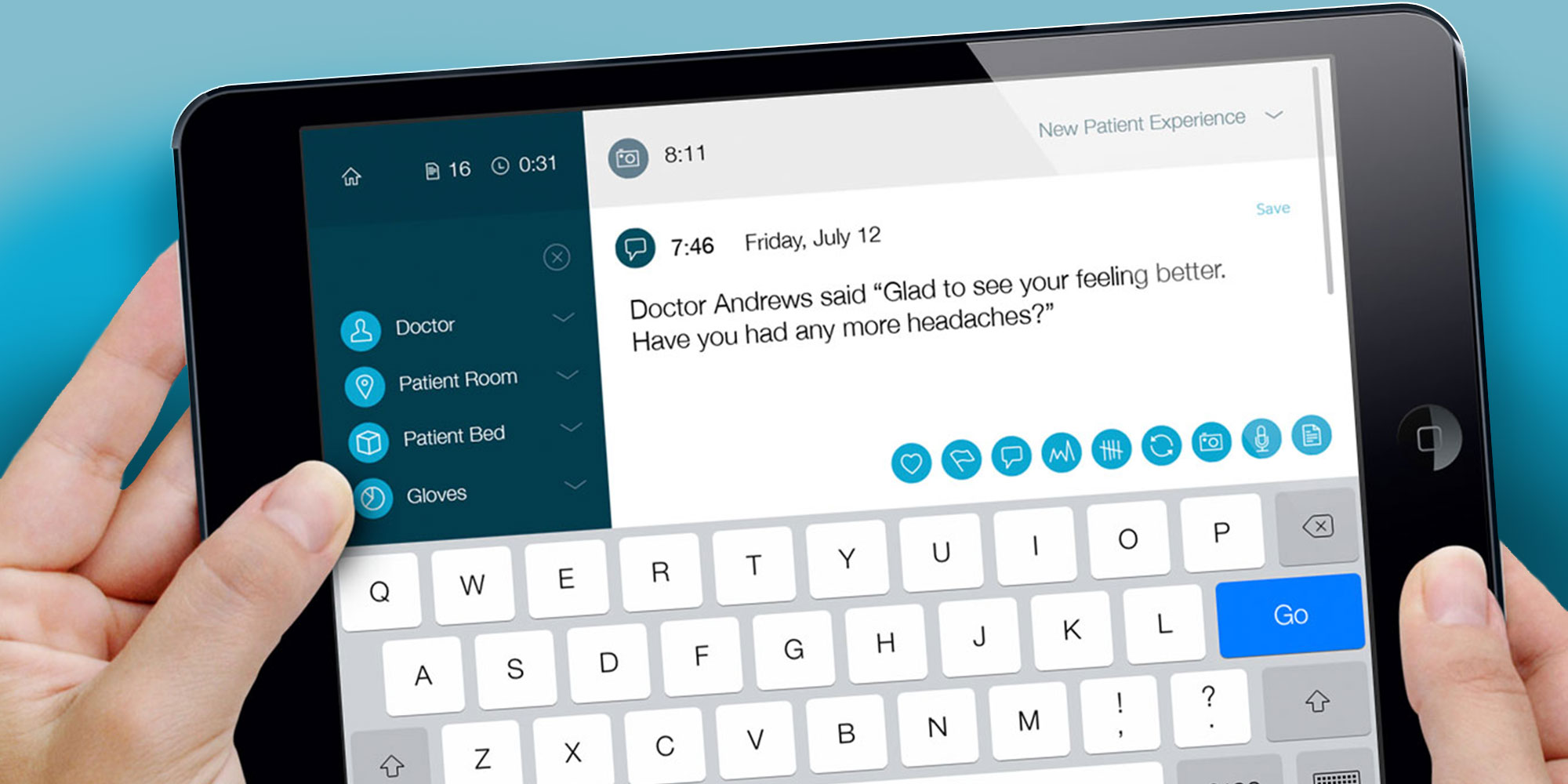
In partnership with Deloitte and the Department of Health and Human Services, I led the creation of a child welfare platform, guiding discovery, research synthesis, product strategy, and experience design for an Android mobile application serving Children, Youth, and Families (CYF) programs. Over six months, I guided the project from concept through pilot launch, translating complex systemic issues into a focused, human-centered solution that improved how caseworkers and families communicate and collaborate.
Problem
Child welfare clients and caseworkers face persistent breakdowns in communication, understanding, and access. Many families lack stable phone numbers, struggle to track court-ordered requirements, and have limited visibility into available services and contacts. These gaps create missed appointments, compliance issues, and unnecessary friction in an already high-stakes system—putting outcomes for families and children at risk.
Solution
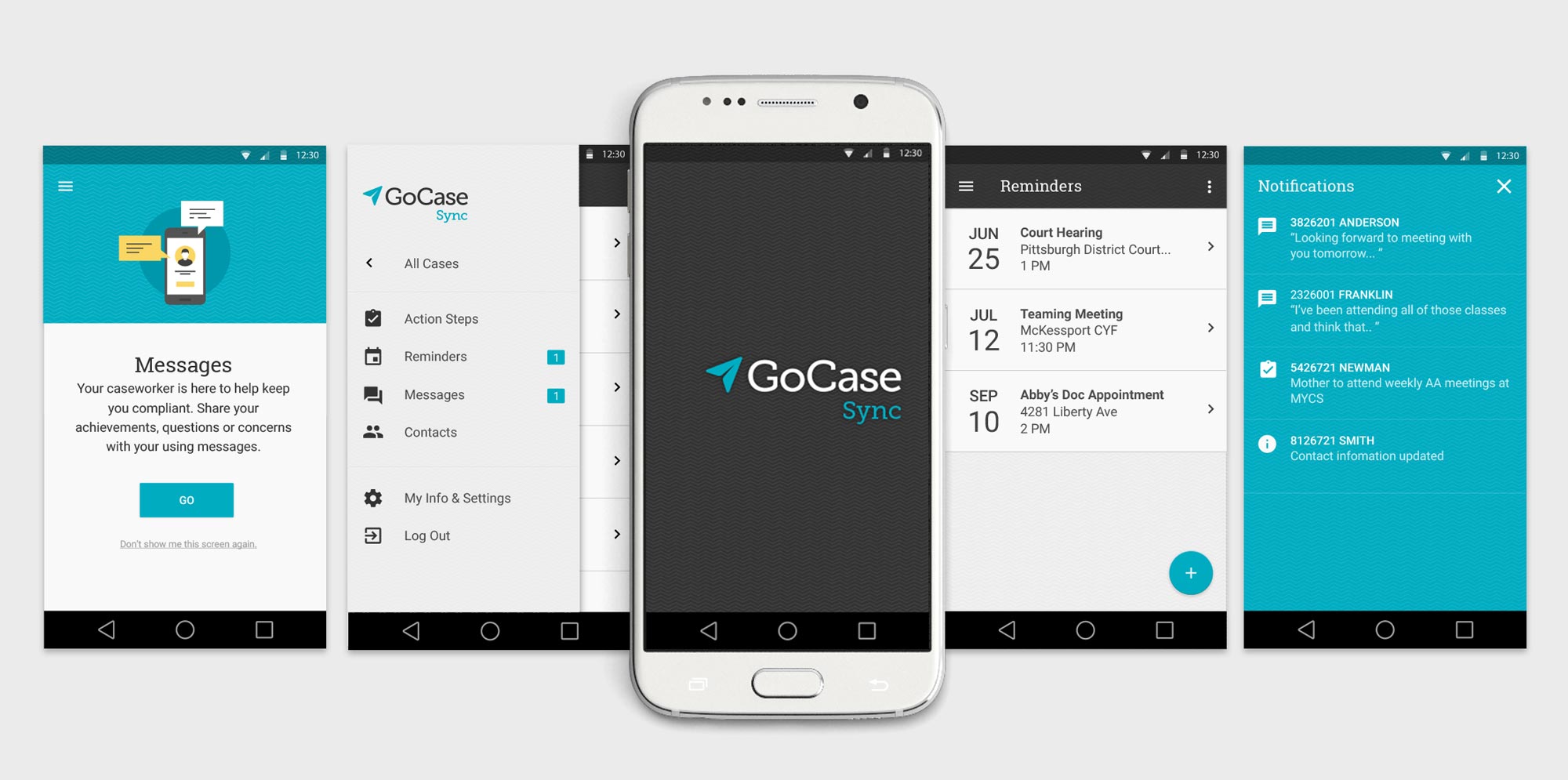
I partnered with Deloitte to design and brand an Android mobile application focused on three core problems: communication, adherence, and accessibility. The solution centered on reliable digital communication, clear task and calendar management, and easy access to service providers and case contacts. Features included secure messaging with push notifications, self-managed contact information, interactive to-do lists tied to court requirements, dynamic calendars, and location-based service directories. The experience was intentionally familiar and lightweight to encourage adoption and sustained use.
Leading Research and Discovery
I guided user interviews and field observations with caseworkers, lawyers, investigators, and families to understand real-world constraints, communication breakdowns, and day-to-day behaviors in high-stress environments. Rather than assuming solutions, I focused on surfacing the systemic issues underlying visible problems. This research revealed three core problem areas—communication, adherence, and accessibility—and validated mobile as the most practical channel, with Android confirmed as the dominant platform among the target population.
User Experience Research Techniques
In-depth User Interviews - Conducted with caseworkers, lawyers, investigators, and families to understand their needs, pain points, and workflows
Field Observations - Direct observation of participants in their real-world environments to understand day-to-day behaviors, constraints, and communication breakdowns in high-stress situations
Contextual Inquiry - Observing and interviewing users in the context of their actual work and life situations to uncover systemic issues
Stakeholder Interviews - Gathering insights from multiple perspectives across the child welfare system (caseworkers, legal professionals, investigators, families)
Research Synthesis - Analyzing and organizing research findings to identify patterns and surface three core problem areas: communication, adherence, and accessibility
Platform Validation Research - Confirming that mobile was the most practical channel and that Android was the dominant platform among the target population
These research methods were foundational to the project, directly informing platform selection, feature prioritization, and interaction design decisions.
We uncovered the following 3 issues and identified their solutions.
Communication
Poor communication occurs between clients and their CYF caseworker because clients often do not have stable phone numbers.
Solutions/Features
Require clients to have an email address
Give clients the ability to update their own contact information within the app
Provide a text-messaging service to provide a direct connection between clients and caseworkers
Integrate push notifications for messages
Incorporate an address book to provide quick access for case-related contacts
Adherence
Clients lack a complete understanding of their legal and attendance requirements. This can affect their parental rights.
Solutions/Features
Import clients' current court-ordered action items into an interactive to-do list
Provide the client with a dynamic calendar
Integrate push notifications for event reminders
Allow event exporting
Design section introductions for new users
Accessibility
Clients do not have easy access to the service provider or case-related contacts they need to better their situation.
Solutions/Features
Add a location-based service provider directory
Feature an address book with quick access to case-related contacts
Include the CYF’s guide book in the app for easy access
Integrate push notification for events and messages
Through our research, we learned that a client who didn’t have a smartphone was rare. We also discovered that the majority of clients used Android as their mobile OS. We moved forward with Android and held off on iOS.
Defining Product Strategy
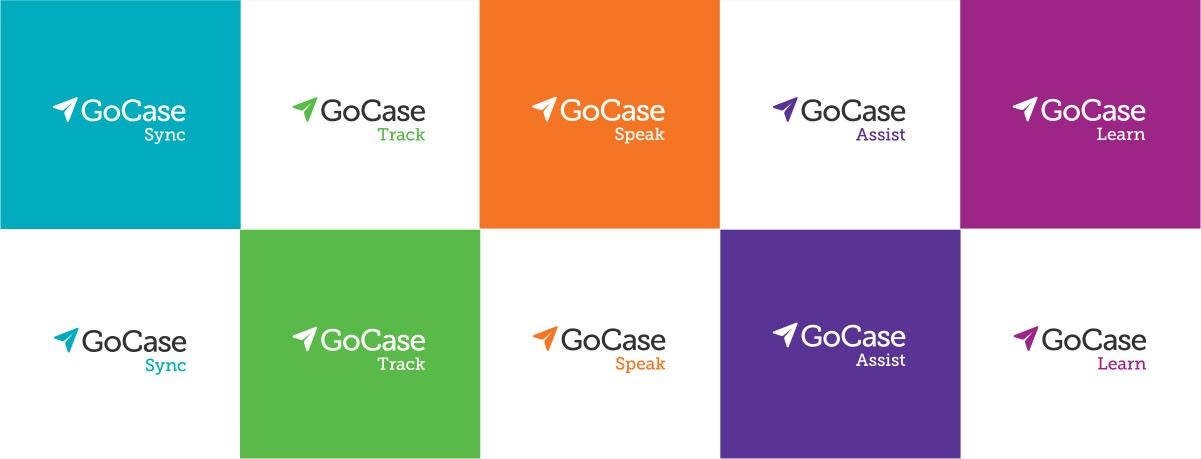
The research insights directly informed every strategic decision I made. I prioritized features that addressed the validated problem areas while remaining realistic about adoption barriers in vulnerable populations. The product needed to feel familiar, not introduce new complexity, so I designed interactions around patterns users already understood. I also made the critical decision to architect the application as part of a future ecosystem rather than a standalone tool, establishing scalable branding and technical foundations that could support additional public service use cases.
Designing for Real Constraints
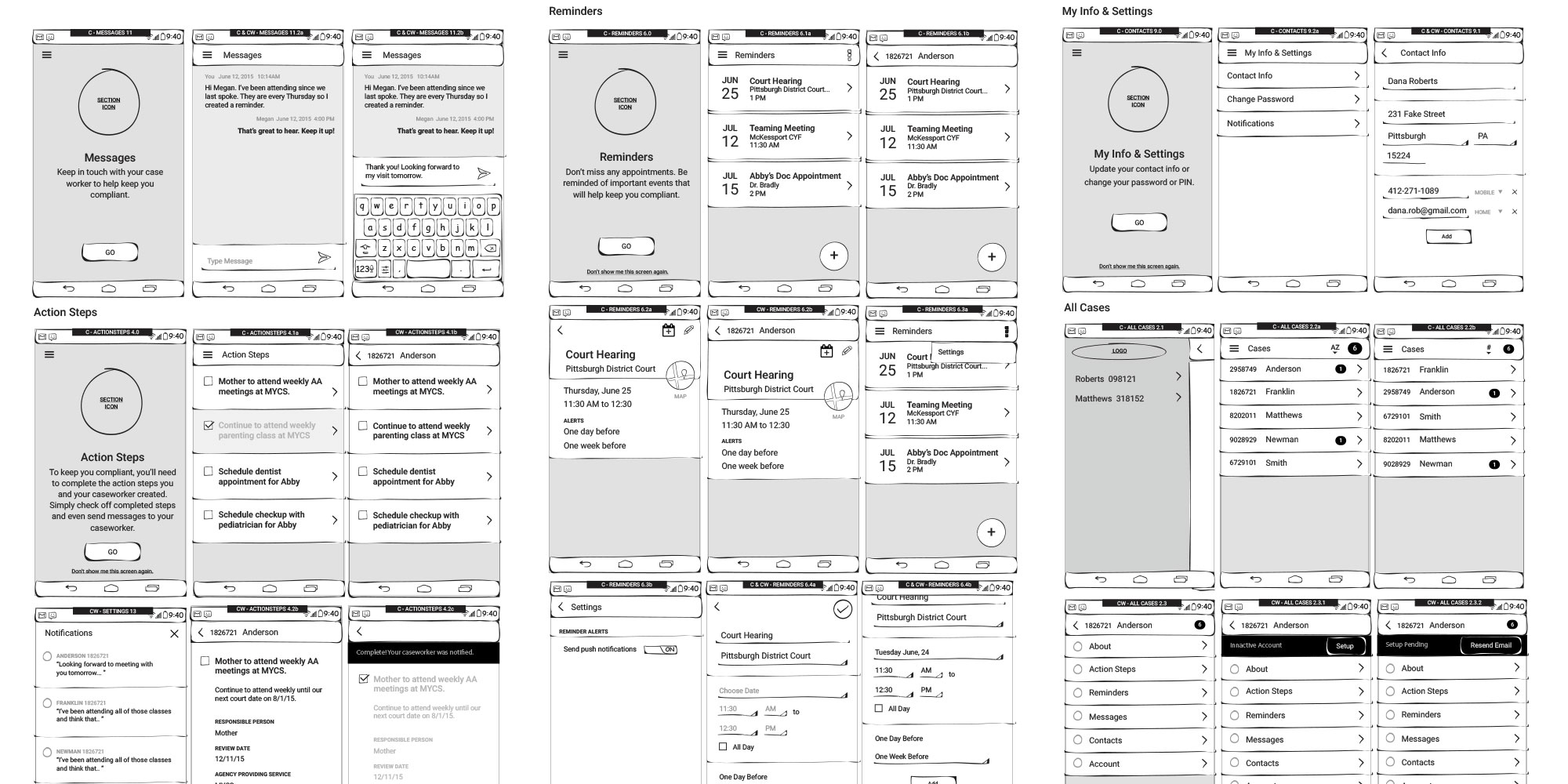
I led the UX, UI, and branding with a clear understanding that this wasn't a typical consumer app. Families in the child welfare system face instability, limited technical literacy, and high stress. I designed for intermittent connectivity, prioritized clarity over aesthetics, and ensured every feature directly served a validated need. The messaging system needed to work when phone numbers changed. The task lists needed to make court requirements understandable, not just visible. The service directory needed to reduce friction during crisis moments, not add another step.
Guiding Cross-Functional Execution
Throughout development, we maintained focus on the core problems while navigating enterprise requirements for speed, cost efficiency, and pilot readiness. I translated technical constraints into design opportunities and kept stakeholders aligned on what success looked like for the families and caseworkers using the product.
The Impact
Improved communication between CYF caseworkers and clients by introducing reliable, app-based messaging, notifications, and self-managed contact information that worked even when phone numbers changed
Gave clients clearer visibility into court-ordered requirements and appointments through integrated calendars, task lists, and reminders, supporting better adherence and reducing missed obligations
Streamlined access to critical resources through a centralized directory of service providers and case-related contacts, lowering friction during already complex and stressful situations
Made research-driven platform decisions that ensured high adoption potential among a vulnerable population with limited technical resources
Architected the product with scalable branding and technical foundations, positioning it to evolve into a broader ecosystem of public service applications beyond the initial pilot
01
02
03
04

see also