GoShadow
Transforming a Proven Healthcare Method into a Scalable SaaS Platform
00
As Product Strategy and UX Lead for GoShadow, I transformed Dr. DiGioia's rigorously tested healthcare shadowing methodology into a scalable SaaS platform. Over one year, I led the evolution from analog workflows to a comprehensive digital system spanning iPad and web applications, while advising on the foundations of a sustainable product business that could expand beyond healthcare into adjacent service industries.
Problem
GoShadow was built on a six-step shadowing methodology developed by Dr. DiGioia and validated through hundreds of real-world healthcare experiences at UPMC's Patient and Family Care Center. While the method itself was effective, it relied on analog workflows and disconnected digital tools. Shadowers manually recorded time-stamped notes, collaboration happened offline, and the process required in-person instruction to execute correctly. These limitations made the method labor-intensive, difficult to scale, and impractical for broader adoption across healthcare and other service-based industries.
Solution
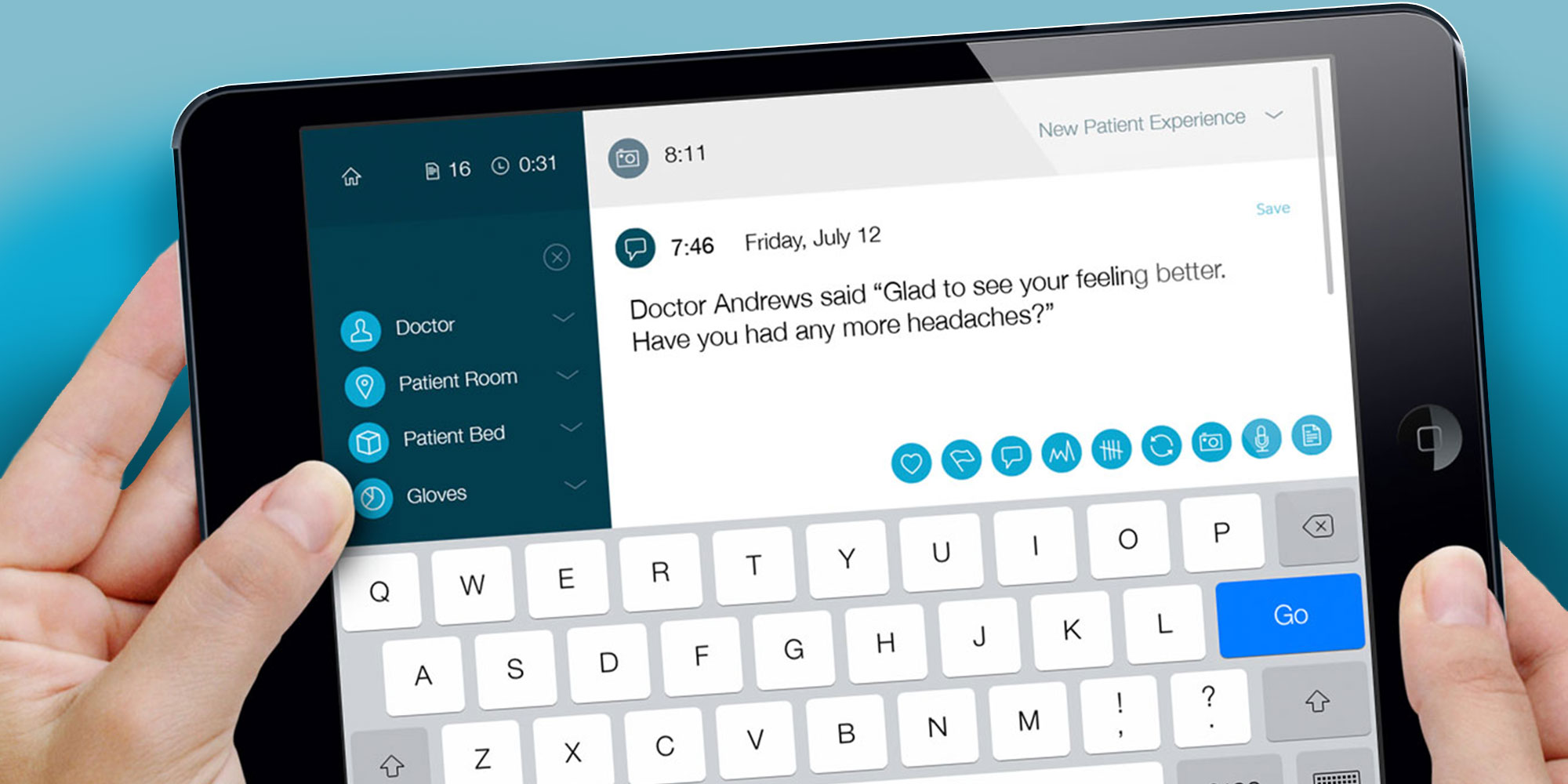
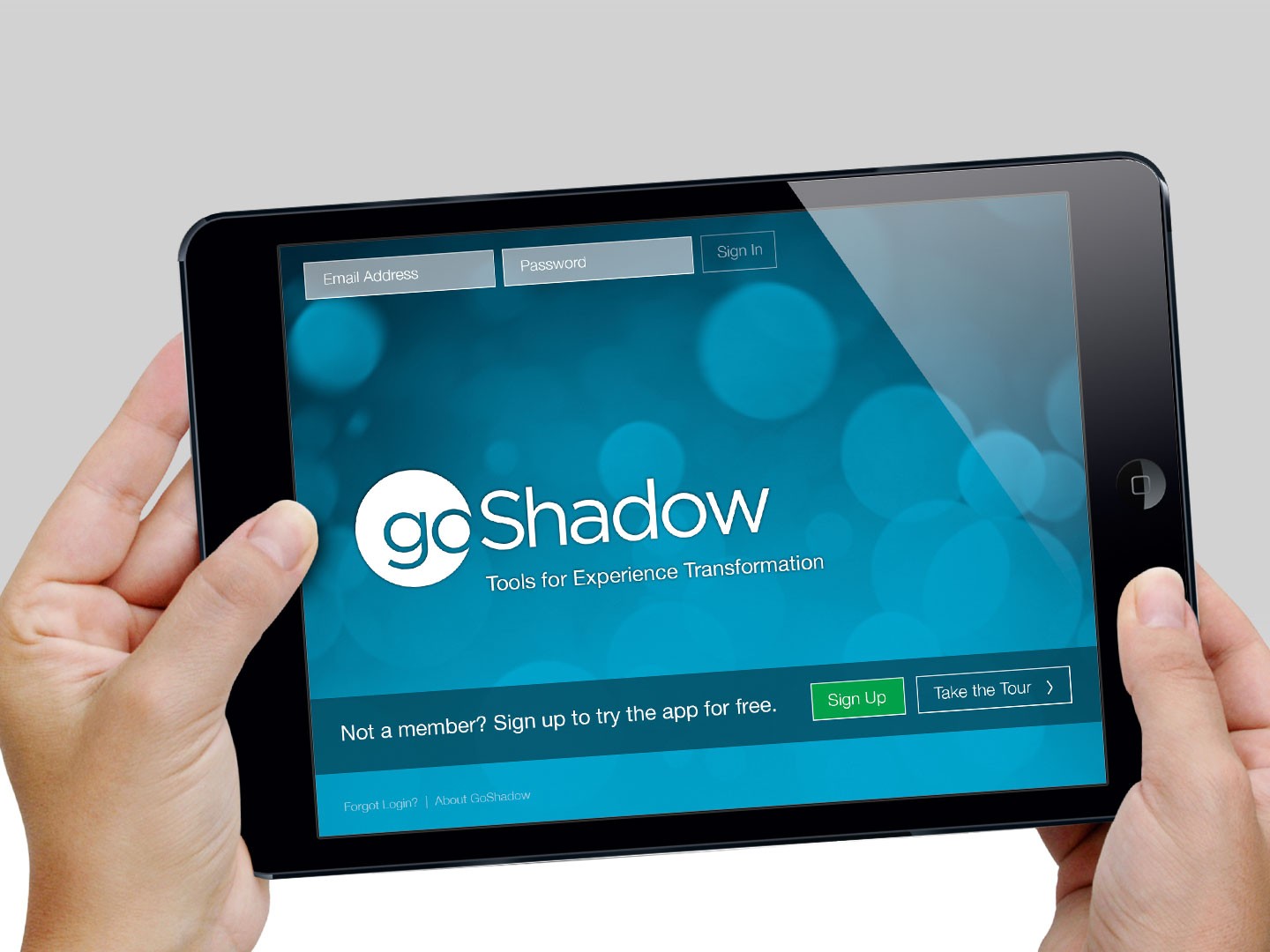
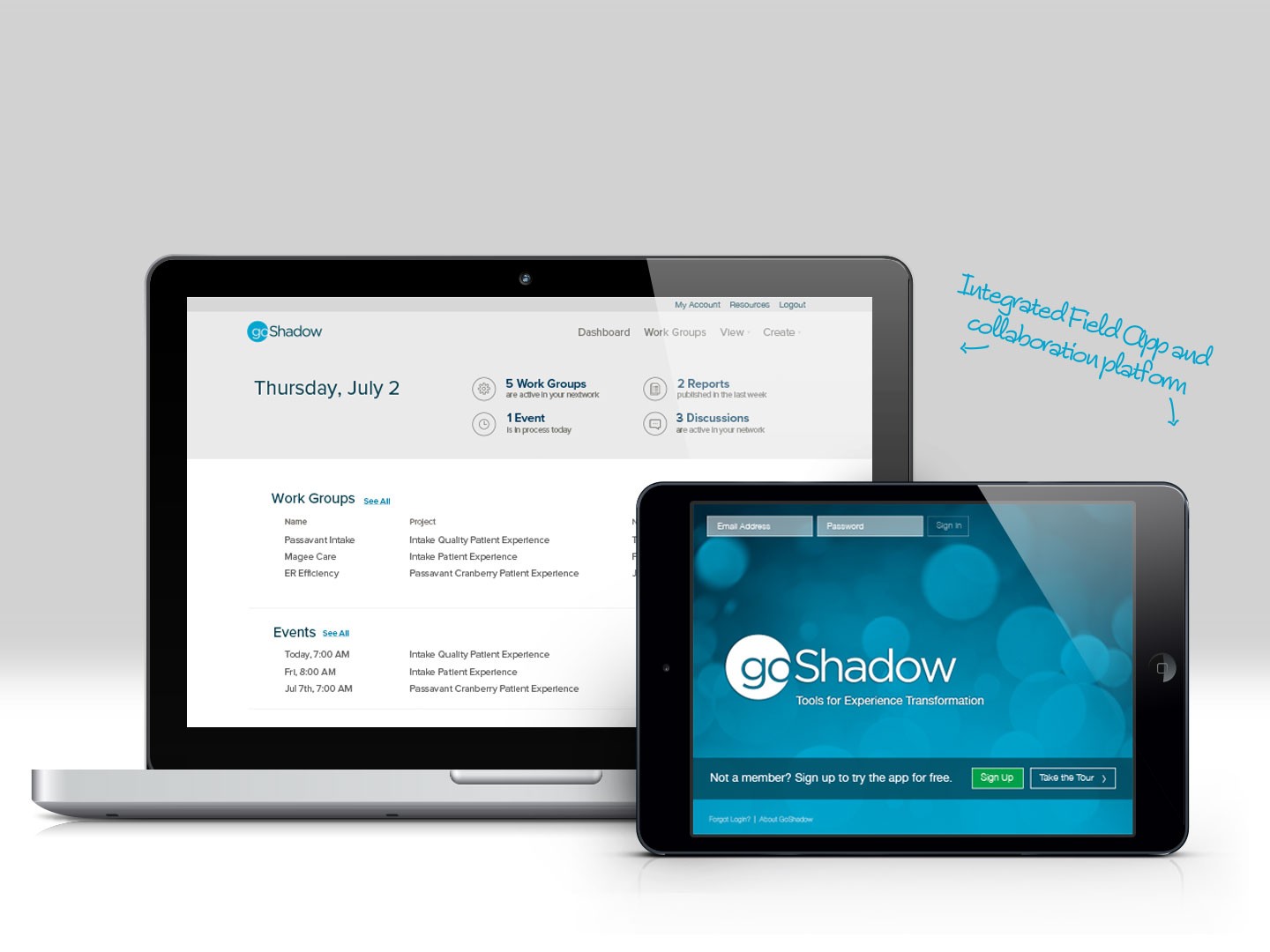
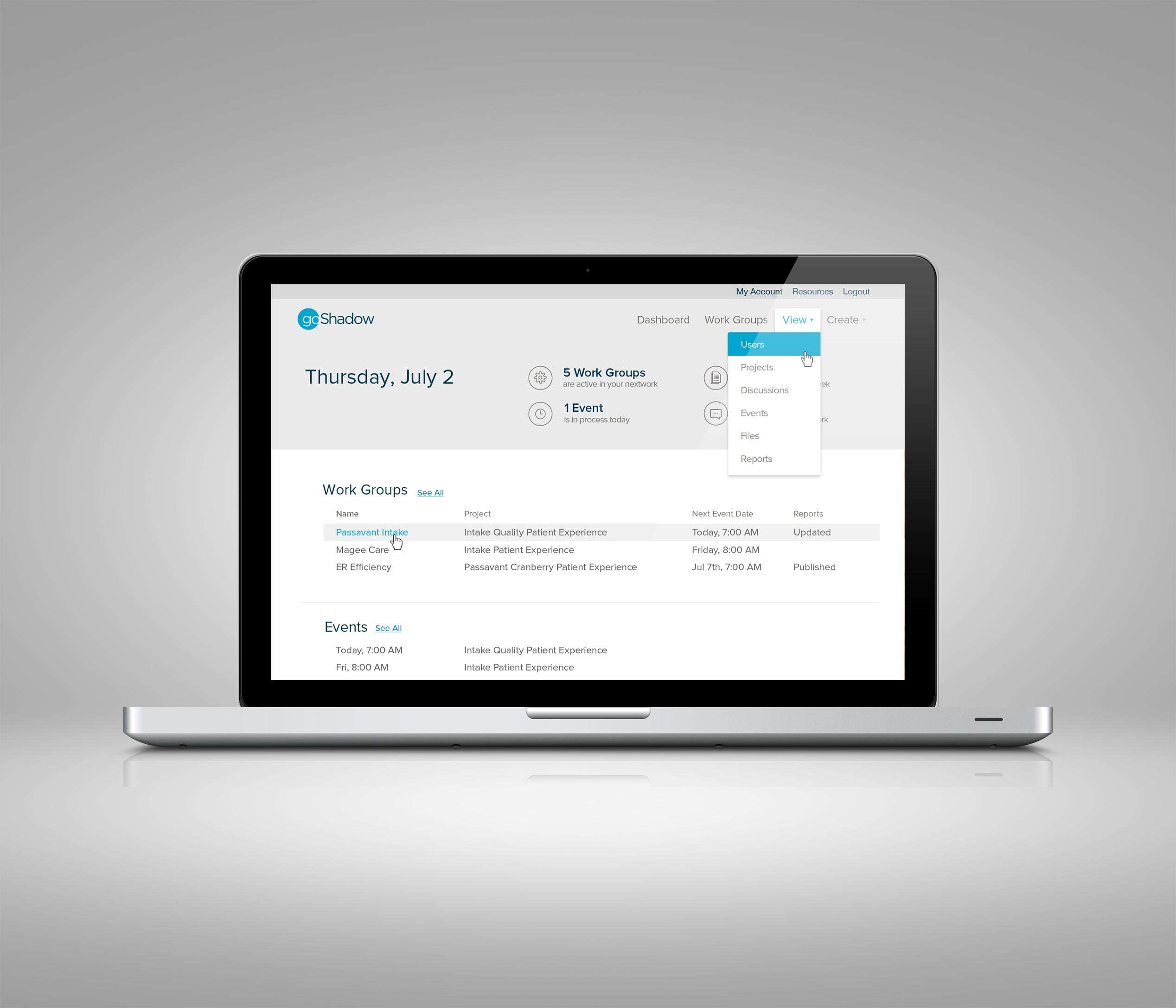
I transformed GoShadow's proven methodology into a software-as-a-service platform that digitized data collection, education, collaboration, and reporting. The solution centered on an audience-tested iPad application for in-field shadowing that enabled fast, structured note-taking without distracting from observation, paired with a secure, web-based education and workgroup platform that guided users through the method, enabled collaboration, and supported reporting, improvement planning, and Time-Driven Activity-Based Costing. Together, the system made the method easier to learn, easier to use, and scalable across organizations and use cases.
My Approach
I was responsible for transforming GoShadow's analog method into a viable, scalable SaaS product and advising on the foundations of a sustainable product business. Leading product strategy, UX, and interaction design across both the iPad app and web-based platforms, I focused on preserving the integrity of the proven methodology while making it commercially viable.
Understanding the Method Through Practice
I worked directly through the shadowing process with Dr. DiGioia and his team to identify breakdowns, inefficiencies, and unmet needs in the existing workflow. Rather than designing from documentation, I experienced the method firsthand, observing where analog tools created friction, where mental models broke down, and where opportunities existed to enhance rather than simply digitize the process. This immersive approach revealed that the real challenge wasn't just moving notes from paper to screen—it was maintaining observational focus while capturing structured data in real-time.
User Experience Research Techniques
Participatory Research / Immersive Experience - Working directly through the shadowing process to experience the methodology firsthand and understand user needs from a practitioner's perspective.
Contextual Inquiry - Observing where analog tools created friction, where mental models broke down, and where opportunities existed within the actual workflow.
Field Observation - Studying shadowers in real-world conditions to understand constraints like standing, walking, or holding devices one-handed during live observations. Conducting research to optimize the experience specifically for the iPad mini based on how users would actually use it in field conditions.
Workflow Analysis - Identifying breakdowns, inefficiencies, and unmet needs in the existing analog shadowing process.
Task Analysis - Understanding the requirements for fast, repeatable input during time-sensitive observations where users needed to maintain focus on the experience.
Stakeholder Collaboration - Working directly with Dr. DiGioia and his team to understand the validated methodology and ensure digital translation preserved its integrity.
These research methods focused on understanding the methodology through practice rather than just documentation, revealing insights about maintaining observational focus while capturing structured data in real-time.
Designing for Field Conditions
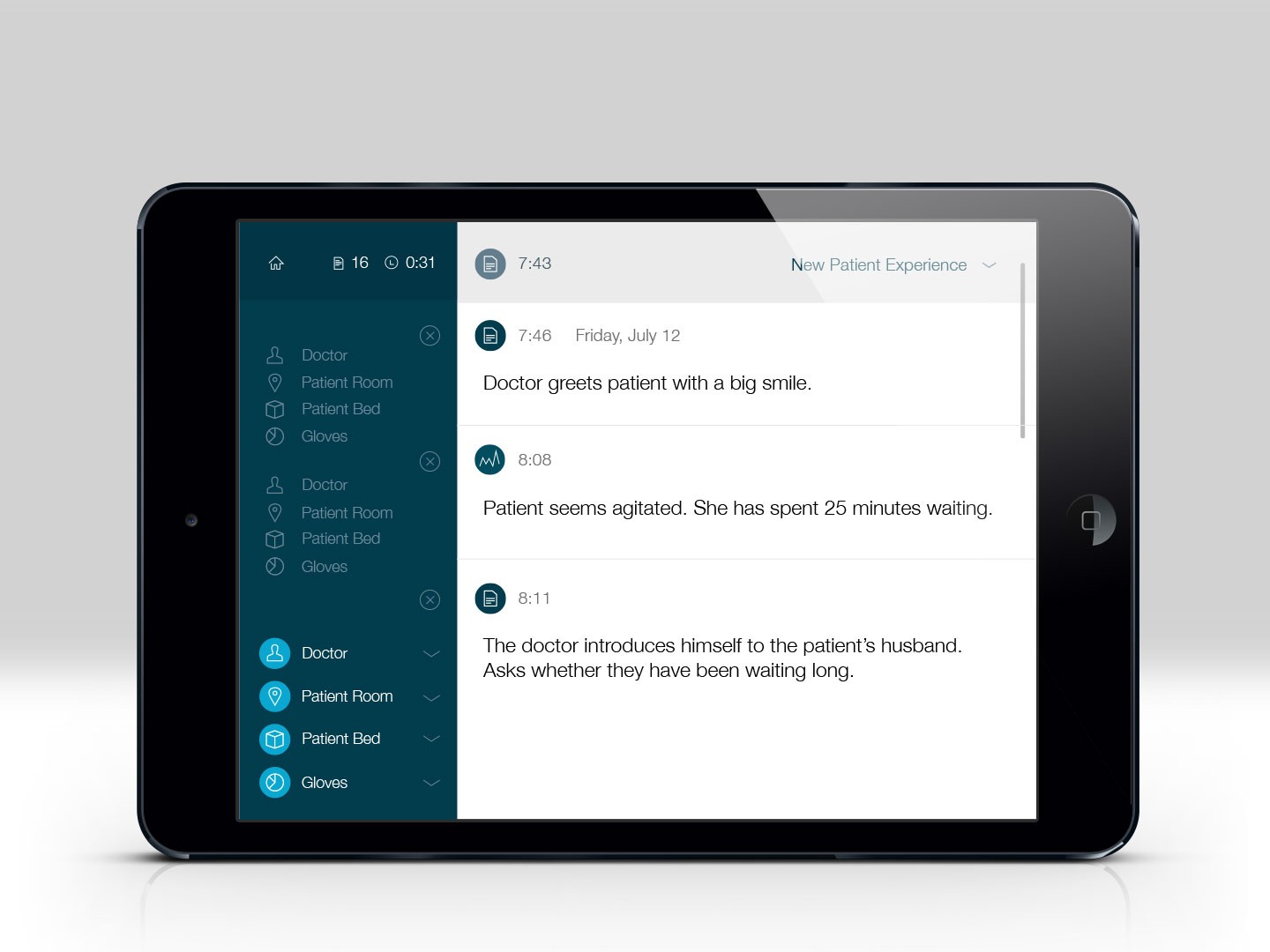
I defined the core interaction models for note-taking with a deep understanding of the constraints shadowers faced. During live observations, users needed to capture time-stamped notes quickly without losing connection to the experience unfolding in front of them. I optimized the experience specifically for the iPad mini based on user research, designing screen regions for fast, repeatable input that worked while standing, walking, or holding the device one-handed. The interface needed to fade into the background, supporting the methodology without becoming the focus of attention.
Architecting the Digital Ecosystem
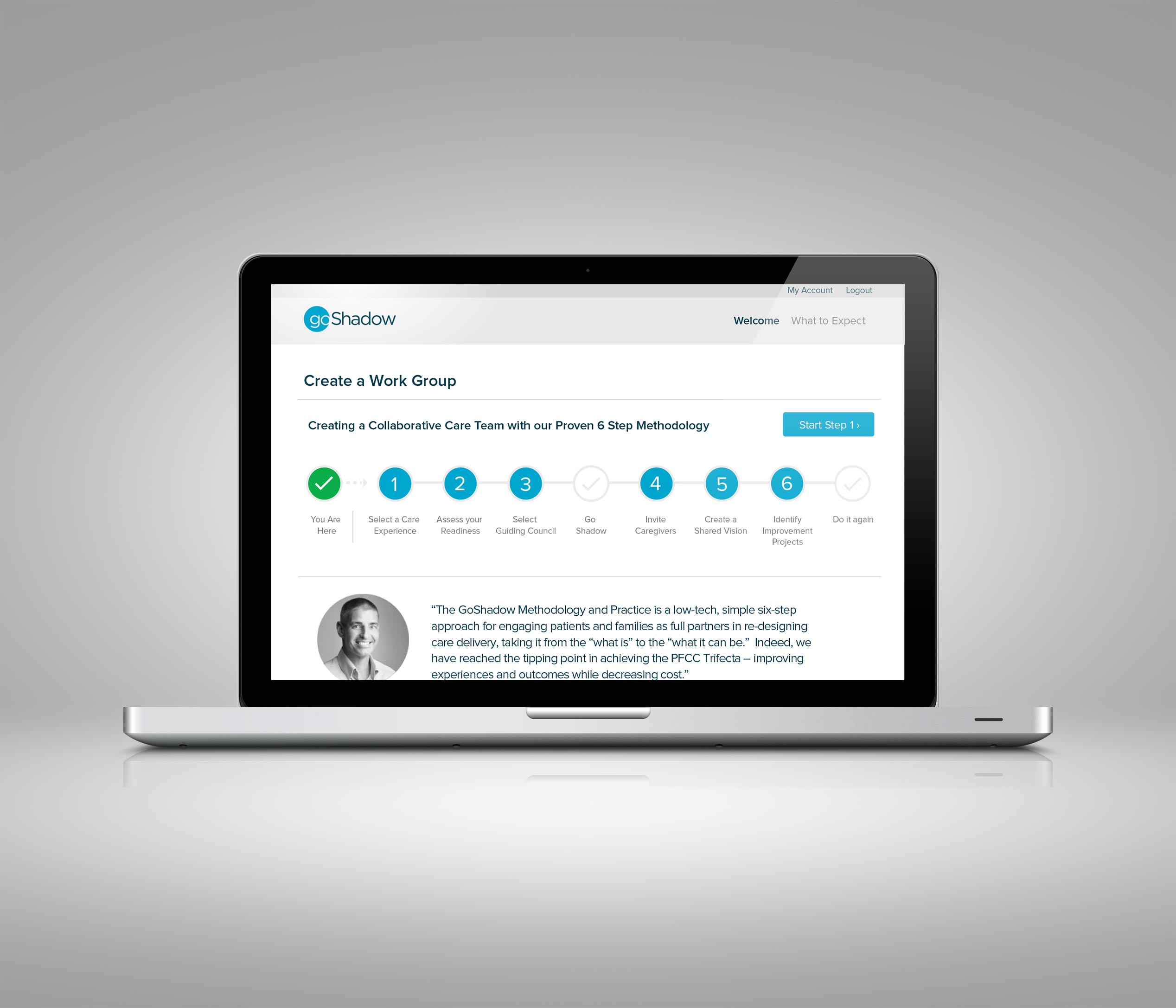
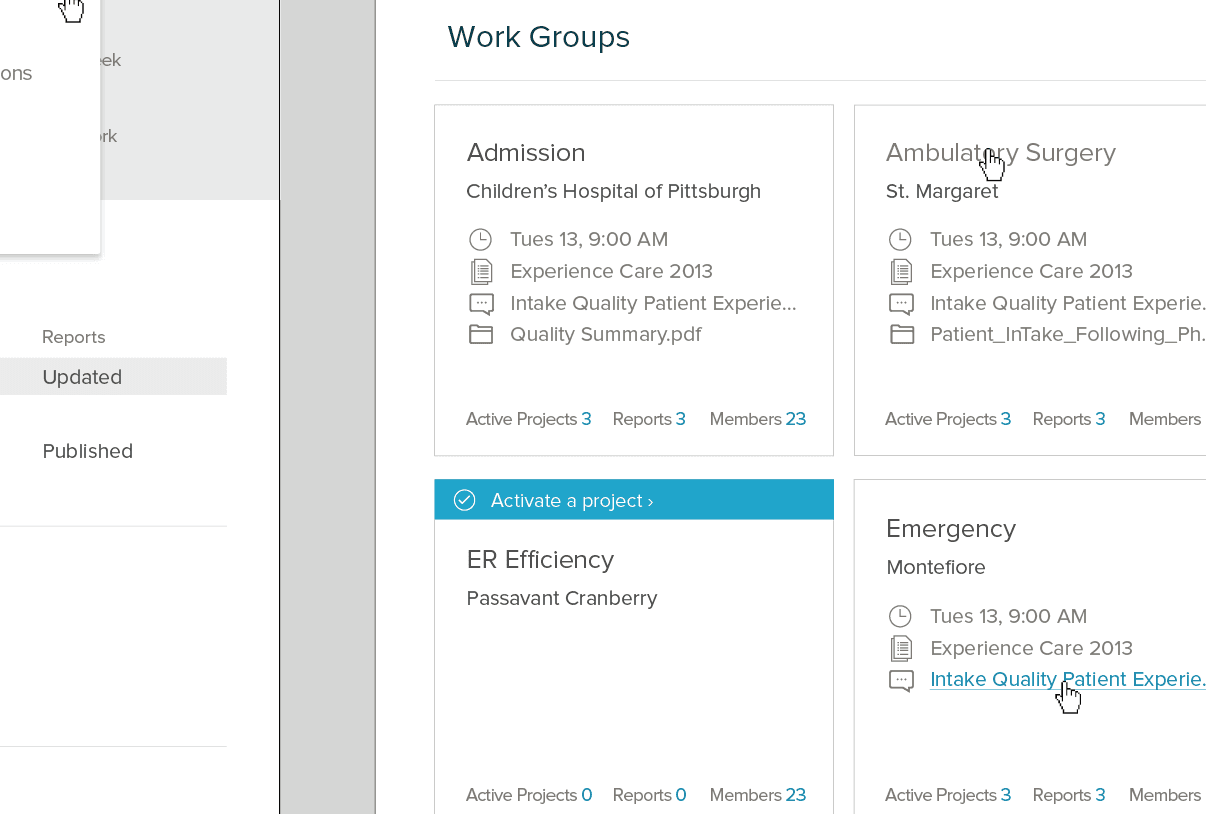
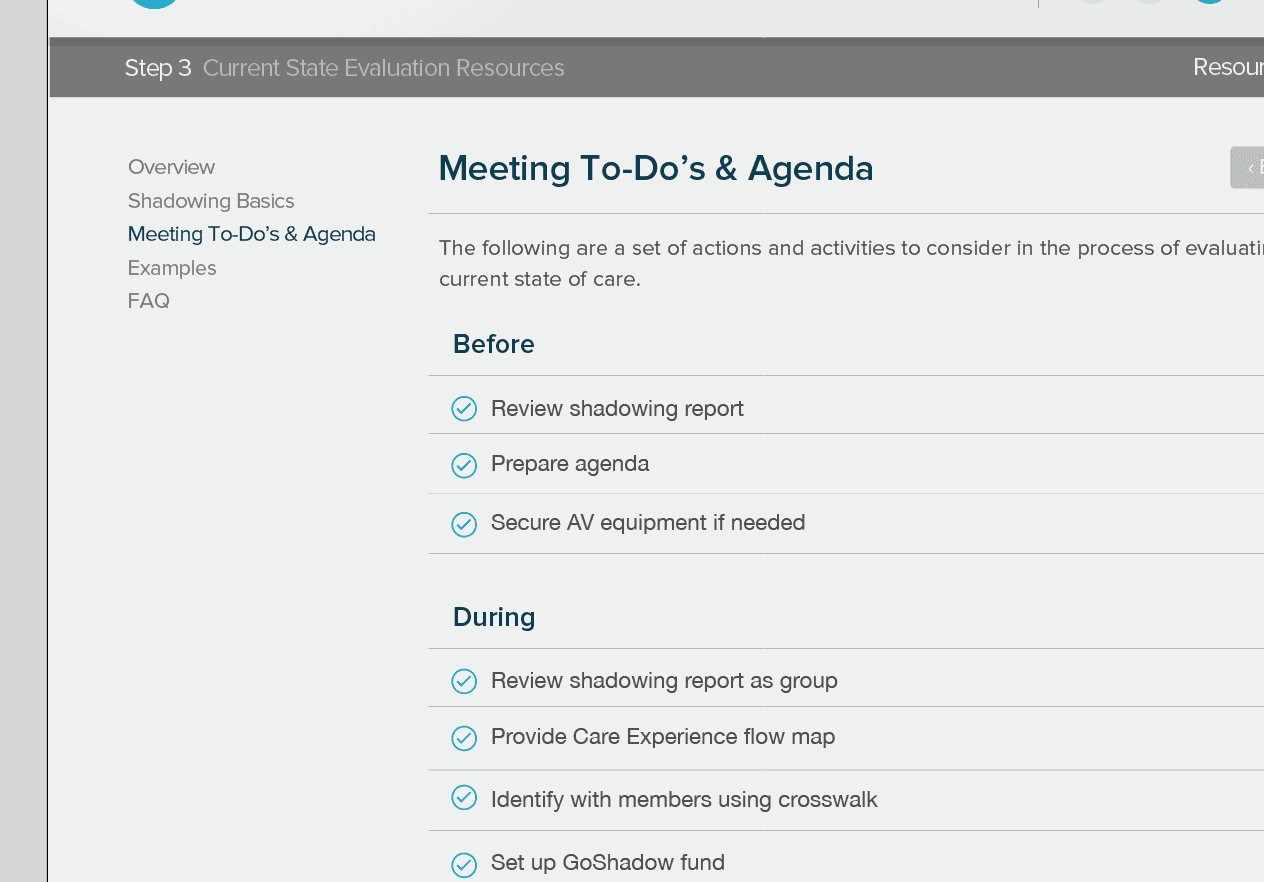
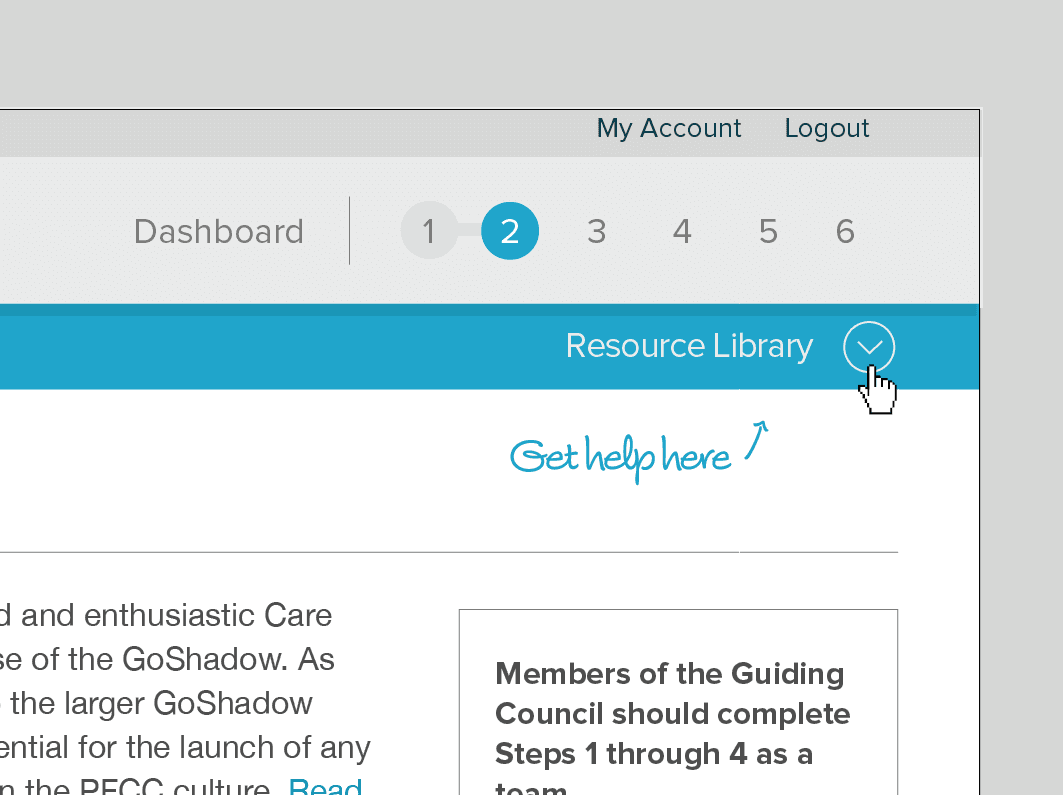
Beyond the iPad app, I shaped the education and collaboration platforms that would make the methodology scalable. I designed guided workflows that standardized the process and removed dependence on instructor-led onboarding, enabling organizations to train their own teams. The workgroup environment I created supported the full lifecycle of a shadowing engagement—from planning and data collection through collaborative review, insight synthesis, and improvement reporting. By integrating Time-Driven Activity-Based Costing capabilities, I positioned the platform to deliver quantifiable business value alongside qualitative insights.
The Impact
Transformed a proven but analog healthcare methodology into a comprehensive SaaS platform that made the process scalable, teachable, and commercially viable.
Designed an iPad application optimized for real-world field conditions that enabled structured data collection without compromising observational focus.
Created an integrated education platform that standardized the methodology and eliminated dependence on in-person instruction, enabling organizations to onboard and train their own teams.
Built a collaborative workgroup environment that supported the full engagement lifecycle from planning through reporting, with integrated capabilities for improvement planning and Time-Driven Activity-Based Costing.
01
02
03
04
05

06
07
08
09
010
see also